Storms in Belton can cause hail damage, loose shingles, and broken flashing. Some problems show right away, while others stay hidden until leaks appear. We provide storm and hail damage roof repair in Belton, TX by inspecting the most impacted areas and fixing the damage before it gets worse.
Storms in Belton often bring hail and strong winds that damage roofs. Shingles can loosen, flashing can bend, and granules can wear away. Some damage is easy to see, but other problems stay hidden until leaks start.
We inspect shingles, flashing, vents, and other exposed areas to find both visible damage and hidden leak paths. We document the damage and add temporary protection when needed to keep water out. Our local experience helps us find storm damage early and prevent bigger problems later.
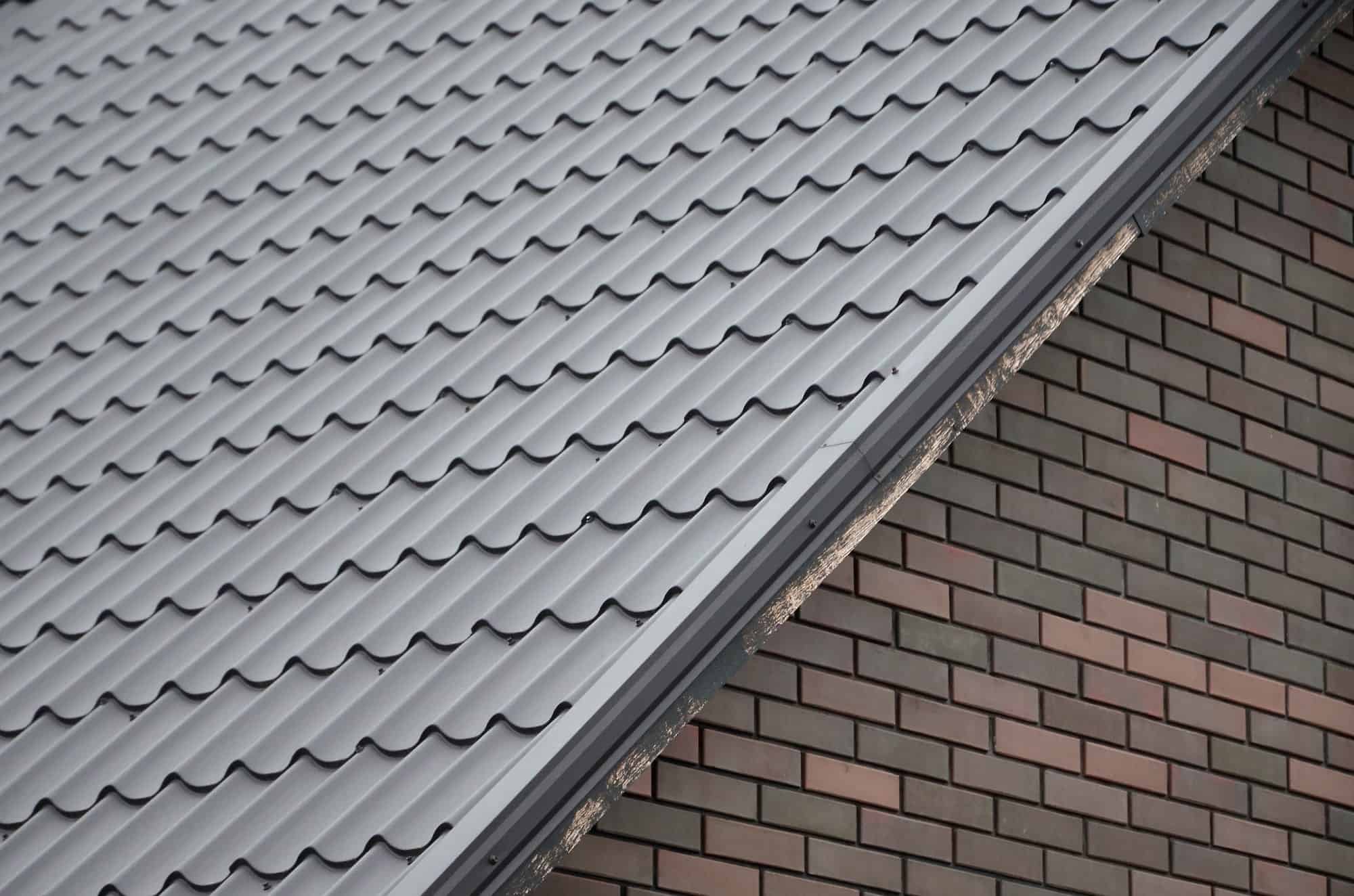
Storm damage often affects shingles, flashing, and vents in ways that are not easy to see from the ground. Small problems can turn into leaks if they are ignored. Here are some of the most common types of storm and hail damage we repair, based on the roof’s condition and the extent of the damage.
Hail can strike shingles and knock off their protective surface. At first, the roof may still look fine, but the shingles weaken over time and stop blocking water properly. Small cracks and dents can form and lead to leaks. We inspect the roof closely, identify damaged areas, and repair or replace shingles as needed.
Strong winds can lift shingles and break the seal that keeps water out. Missing shingles leave parts of the roof exposed, allowing water to enter during rain. We replace damaged shingles and secure loose areas to restore proper protection.
Storms can loosen flashing and crack seals around vents, chimneys, and roof openings. When this happens, water can leak inside quickly. We reset flashing, replace worn materials, and reseal openings to keep the roof watertight.
Falling branches and flying debris can crack shingles or puncture the roof. Even small impact damage can lead to serious leaks later. We remove damaged materials, repair the affected area, and inspect nearby sections for hidden issues.
Some storm-damaged roofs only need small repairs, while others have damage spread across large areas. Missing shingles, soft decking, and repeat leaks often point to bigger problems. We inspect the entire roof to see how well it can still protect your home. Then we explain whether repairs are enough or if replacement makes more sense based on the damage.
We inspect storm-damaged roofs in Belton and explain your options clearly, so you can make the right decision before damage worsens.
Storm repairs last longer when the right materials are used for the roof and local weather. We choose products that handle hail, strong winds, and heavy rain.
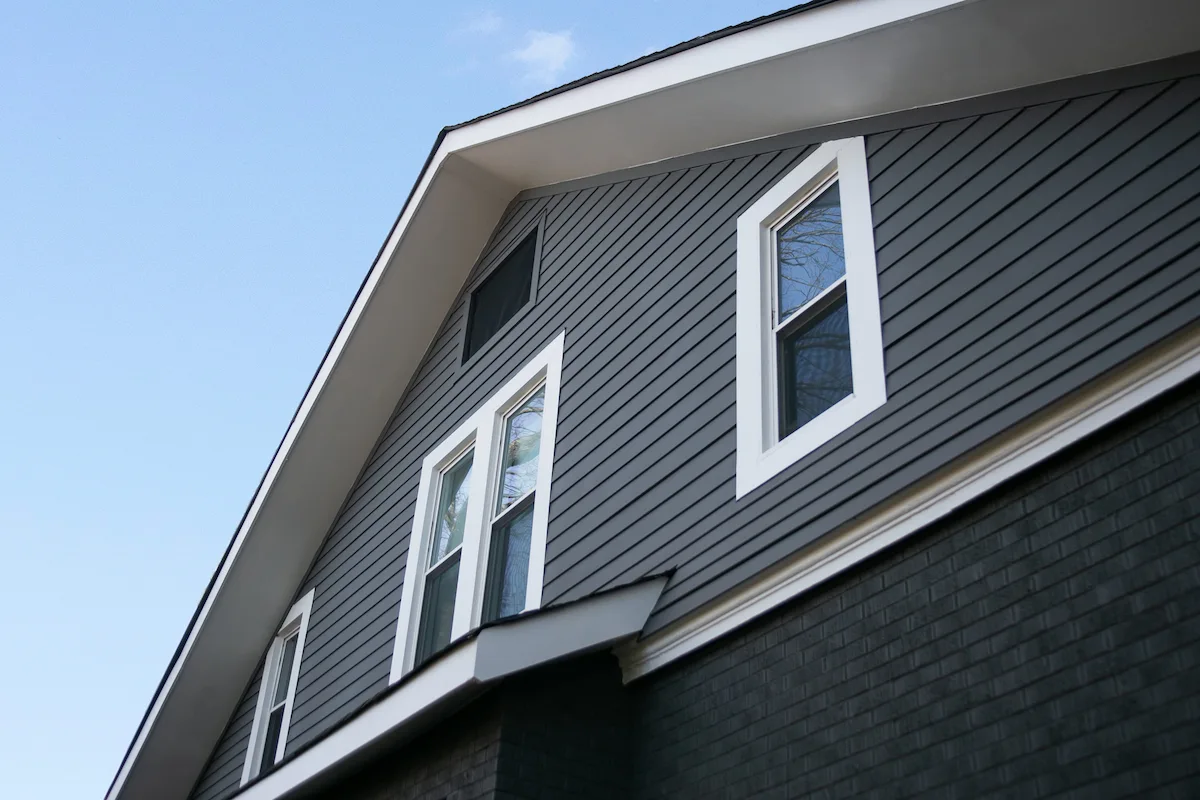
Impact-resistant shingles are built to handle hail and flying debris. They are stronger than standard shingles and less likely to crack or dent during storms. These shingles help reduce damage and slow wear over time. We recommend them when they match your roof type, local conditions, and budget.

Strong winds can damage more than just shingles. Many roof parts work together to keep everything secure. Starter strips, ridge caps, fasteners, and seals all play a role. If one part fails, the roof can loosen or lift. We use high-wind rated materials and install them correctly to help the roof stay secure during storms.

Water often enters around vents, chimneys, skylights, and roof edges. These areas need extra protection. We install durable flashing and seal all openings carefully. This creates a tight barrier and helps keep water out during heavy rain and wind.
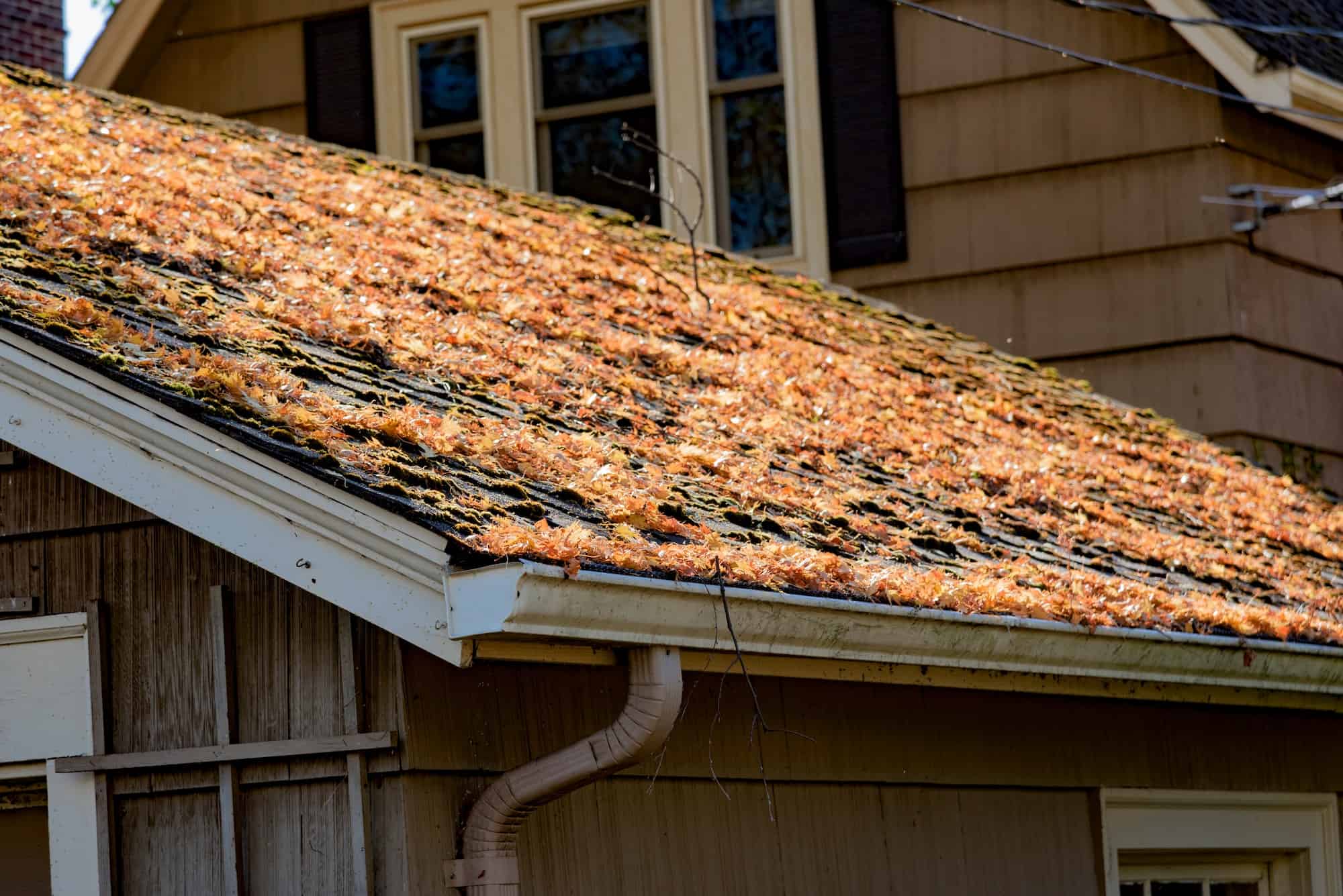
Underlayment adds an extra layer of protection beneath the shingles. It helps block water if the top layer is damaged or blown off. If the roof deck is damaged, we repair or replace the affected wood first. A solid deck gives the roof a strong base and helps all roofing materials perform as they should.
Insurance claims after a storm can feel overwhelming. Some roof damage is not easy to see and can lead to leaks later. Storm damage roofing requires clear documentation. We help guide the claim process and explain what your insurance company needs.
Photos are a key part of storm damage claims. They show how hail, wind, and debris affected the roof. We take clear photos of all damaged areas and create a simple written report. The report explains what was damaged, where it happened, and why repairs are needed. This helps insurance teams review the claim faster and more accurately.
Insurance adjusters work quickly and may not catch every issue. Some storm damage can be hidden or overlooked. We review the adjuster’s scope and compare it to our inspection findings. This helps ensure all storm-related damage is included before repairs begin and reduces the risk of delays or added costs later.
A clear process helps keep storm repairs organized and stress free. We start with a full inspection, protect the home if needed, and complete repairs using the right materials. We finish with a final check to make sure everything is done right.
After a storm, roof damage is not always easy to see, and knowing what to do next can feel confusing. We start with a full inspection and explain the damage in clear, simple terms. Our goal is to make the process easy to understand and easy to trust.

We understand Belton weather and how storms affect local roofing systems.
We check for both visible damage and hidden leak risks.
We show where the damage is and explain what needs to be fixed.
We secure exposed areas to help prevent further damage.
We recommend only what the roof truly needs.
We keep you informed from the first visit through the final inspection.
You should have your roof checked as soon as it is safe after the storm. Wind and hail can cause damage that gets worse over time. Rain can make small problems turn into bigger ones. An early inspection helps find hidden damage and avoid costly repairs later.
Yes, roof damage can exist even if you do not see leaks right away. Hail can bruise shingles and weaken them. The roof may still block water at first. Over time, those weak spots can lead to leaks if they are not fixed.
Most homeowner insurance policies cover damage from storms and hail. Coverage depends on your policy and the condition of your roof. A full inspection and clear photos help support your insurance claim.
Insurance may approve upgraded materials if local building codes require them. Some policies allow better materials when damaged areas are replaced. We help explain your options and review what may apply to your roof.